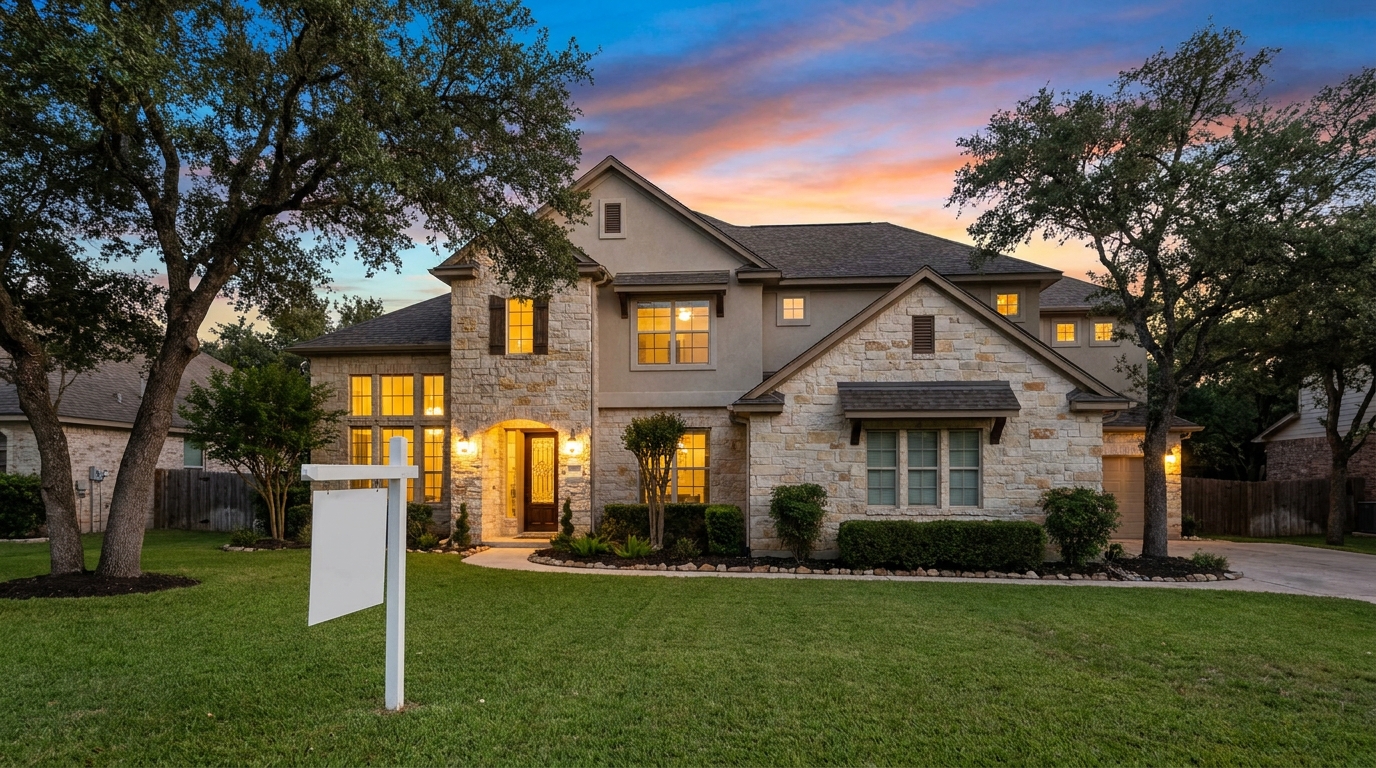
Moving to Texas Checklist 2026: Your Complete Step-by-Step Relocation Guide for San Antonio, JBSA & Hill Country

| Moving to Texas Checklist 2026: Your Complete Step-by-Step Relocation Guide for San Antonio, JBSA & Hill Country By Christopher Beal — Army Veteran, SABJ Top 25 Realtor (#13 in 2024, #14 in 2025), Military Relocation Professional Updated March 2026 | 293+ Families Served | $112M+ in Sales | 3x Platinum Top 50 | 6x ICON Agent | Five Star Professional |
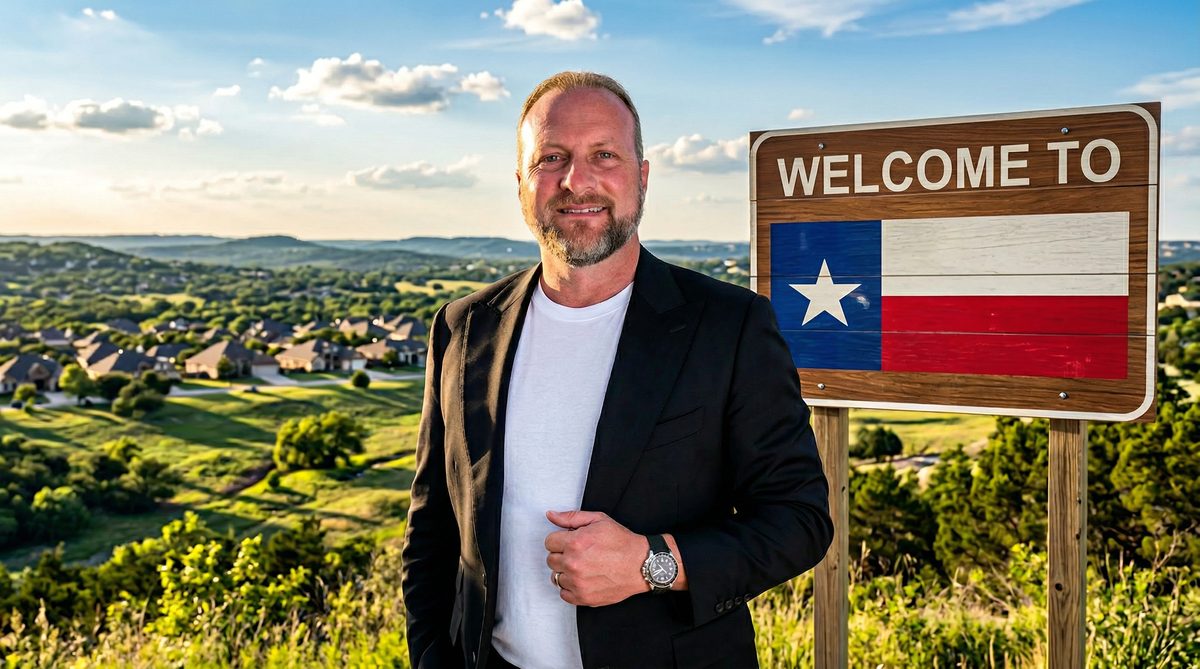
If you are moving to Texas in 2026 — whether you are a military family on PCS orders to Joint Base San Antonio, a veteran relocating for work, or an out-of-state buyer tired of high taxes and cost of living — this is the most complete moving checklist you will find anywhere online. I'm Christopher Beal, a U.S. Army veteran, Military Relocation Professional (MRP), and SABJ Top 25 REALTOR with eXp Realty. I've personally helped more than 293 military families buy and sell homes across the San Antonio metro, and every one of them went through the exact process you are about to start.
Texas is the number-one destination for domestic migration in the United States, and San Antonio consistently ranks among the top cities for military families, first-time home buyers, and people relocating from high-cost states like California, New York, and Illinois. The reasons are straightforward: no state income tax, an affordable cost of living, world-class military infrastructure at JBSA, strong job growth in healthcare, cybersecurity, defense, and tech — and a housing market where you can still buy a quality home with your VA loan benefit.
This guide covers every step you need to handle — from setting up your electricity and water before you arrive, to registering your vehicle, claiming your $140,000 homestead exemption, enrolling your kids in one of the top school districts, understanding your 2026 BAH rates, updating your insurance, registering to vote, and finding a home with a veteran REALTOR who actually understands military timelines. Every section includes 2026-specific data, links to official resources, and tips I've learned from doing this hundreds of times. If you are moving from California, comparing San Antonio to Austin, or simply trying to figure out where to start — this is your guide.
Let's walk through it step by step.
Get Your Free San Antonio Home Evaluation →
| Step 1: Setting Up Your Utilities (Electricity, Water & Internet) |
The single most common mistake people make when moving to Texas is waiting until move-in day to set up utilities. Do not do this. Texas has a deregulated electricity market, which means you have to actively choose your electricity provider — the power does not just "come on" when you flip a switch. If you do not have a provider selected and activated, you will arrive to a home with no power. Set up all utilities 2–5 business days before your move-in date.
Electricity — Deregulated (You Choose Your Provider)
Texas operates a deregulated electricity market, which means you have the power to choose your own retail electricity provider. This is different from most states, where one utility has a monopoly in your area. In San Antonio, CPS Energy serves as the municipal utility for those within city limits, but if you are purchasing in an area outside CPS territory (common in new construction communities in master-planned developments and gated communities in Helotes), you will need to shop for a provider.
Use PowerToChoose.org — the official Public Utility Commission of Texas website — to compare rates, plan types (fixed vs. variable), contract lengths, and renewable energy options. Top providers in the San Antonio area include TXU Energy, Reliant Energy, Green Mountain Energy, and Constellation.
- When to set up: 2–5 business days before move-in
- Where to compare: PowerToChoose.org
- What to look for: Fixed-rate plans (12–24 months), low per-kWh rates, no hidden fees, renewable options if desired
- Pro tip: Read the Electricity Facts Label (EFL) for every plan — it shows the true all-in cost at 500, 1000, and 2000 kWh usage levels
Water — San Antonio Water System (SAWS)
Unlike electricity, water in San Antonio is not deregulated. SAWS (San Antonio Water System) is the sole provider for the city and most surrounding areas. You can set up your account online at saws.org or by calling (210) 704-7297. SAWS also handles wastewater and stormwater services.
If you are purchasing in an area outside SAWS territory — such as certain parts of Comal County, Kendall County, or unincorporated areas near new construction communities — you may be served by a different water utility or a well system. Ask your REALTOR or builder which provider serves your specific address.
- Provider: SAWS (most of San Antonio)
- Setup: Online at saws.org or call (210) 704-7297
- When: Schedule activation for your closing date or move-in date
- Deposit: May be required for new accounts — typically $50–$100
Internet — Multiple Options Available
San Antonio has strong internet infrastructure, especially in newer communities. The top providers are:
- Google Fiber — Available in many San Antonio neighborhoods, offering gigabit speeds at competitive rates. Check availability by address.
- AT&T Fiber — Wide coverage across the metro, multiple speed tiers up to 5 Gbps in some areas
- Spectrum — Cable internet available in most areas, no contract required
Schedule installation 2–5 days before your move-in. If you are working remotely, this is critical — especially during summer when installation windows fill up quickly during PCS season. Many new construction homes in San Antonio come pre-wired for fiber.
| Step 2: Texas Driver License & Vehicle Registration (2026 Updates) |
This is where most new Texas residents get confused — because the driver license and vehicle registration are handled by two different agencies, and there is a specific order you need to follow. Here is the 2026 process, step by step.
Critical Rule: Register Your Vehicle FIRST, Then Get Your Driver License
Many people assume you get your driver license first. That is backwards in Texas. You need to register your vehicle at the Bexar County Tax Office within 30 days of establishing residency. Then, you visit a DPS (Department of Public Safety) office to obtain your Texas driver license within 90 days. DPS may ask for your vehicle registration receipt, so completing registration first avoids a wasted trip.
Vehicle Registration Process (Within 30 Days)
As of 2026, here is the correct order for registering your vehicle in Bexar County:
- Get emissions testing — As of January 2024, Texas eliminated mandatory safety inspections for most passenger vehicles. However, emissions testing is still required in certain counties, and Bexar County is being added to the emissions-testing list in 2026. The emissions test costs approximately $7.50. Get this done at a state-certified inspection station before visiting the Tax Office.
- Visit the Bexar County Tax Office — Bring your emissions test report, out-of-state registration or title, proof of Texas auto insurance (must meet Texas minimums), and a valid photo ID. You will pay registration fees of $50–$80 depending on vehicle weight and county.
- Receive your Texas registration sticker and receipt — Keep the receipt for your DPS appointment.
Texas Driver License Process (Within 90 Days)
After registering your vehicle, schedule an appointment at a Texas DPS office through texas.gov. Bring:
- Your current out-of-state driver license
- Proof of Texas residency (utility bill, lease, mortgage statement, or closing documents)
- Social Security card or W-2
- U.S. passport or birth certificate (proof of citizenship/legal presence)
- Vehicle registration receipt from the Tax Office
The driver license fee is $33. If your out-of-state license is from a state with reciprocity agreements, you typically will not need to retake the driving test — only a vision screening and a new photo.
| Task | Deadline | Where | Cost |
|---|---|---|---|
| Emissions Testing (Bexar County) | Before registration | State-certified inspection station | ~$7.50 |
| Vehicle Registration | Within 30 days | Bexar County Tax Office | $50–$80 |
| Texas Driver License | Within 90 days | DPS Office (schedule at texas.gov) | $33 |
| Step 3: Property Taxes & Veteran Exemptions (2026 — MAJOR Updates) |
Texas has no state income tax — which is one of the primary reasons people move here from California, New York, Illinois, and other high-tax states. But Texas does have property taxes, and they are higher than the national average. The good news: 2026 brings the most significant property tax relief in Texas history, and veterans get additional exemptions that can dramatically reduce or eliminate your tax bill.
2026 Texas Property Tax Overview
The average Texas property tax rate in 2026 is approximately 1.74% of assessed value, making Texas the #7 highest property tax state in the country. The median property tax bill statewide is about $4,232 (based on a median home value of $283,800). However, the effective rate you pay depends heavily on your county, your exemptions, and whether your property is homesteaded.
| County | Average Tax Rate (2026) | Notes |
|---|---|---|
| Bexar County | ~2.3% | San Antonio proper, most JBSA-area homes |
| Comal County | ~1.8% | New Braunfels, Bulverde, Spring Branch, Canyon Lake |
| Kendall County | ~1.6% | Boerne, Fair Oaks Ranch, Comfort |
| Texas Average | 1.74% | Statewide average for comparison |
If you are looking at communities in the Hill Country like gated communities in Helotes or luxury gated neighborhoods, pay attention to which county the property falls in — the difference between Bexar County (~2.3%) and Kendall County (~1.6%) can mean thousands of dollars per year on the same-priced home.
2026 Homestead Exemption — $140,000 (New)
The biggest change for 2026: Texas voters approved SB 4 in November 2025, increasing the general homestead exemption from $100,000 to $140,000. This means $140,000 of your home's assessed value is exempt from school district property taxes. On a $350,000 home, you are only taxed on $210,000 of value for school tax purposes — a significant reduction.
Additional 2026 property tax reforms include:
- $60,000 senior/disabled exemption (up from $10,000) — SB 23
- School tax rate compression — HB 8 provides a temporary one-year rate cut of $0.0331 per $100 of assessed value
- ARB protest reforms — HB 1533 requires enhanced transparency in the appraisal review board process
- Tax refund protections — SB 850 establishes firm deadlines for processing refunds
- Business personal property exemption — HB 9 exempts up to $125,000 (relevant for self-employed veterans)
- 10% appraisal cap on homestead properties (existing protection, still in effect)
- 20% non-homestead appraisal cap — may expire in 2026; confirm with your county appraisal district
Combined, these changes save the average Texas homeowner approximately $1,762 or more per year. For help understanding how property taxes affect your closing costs and monthly payment, I walk every client through the exact numbers for their specific property.
Veteran Disability Property Tax Exemptions
Texas offers some of the best property tax exemptions for veterans in the entire country. These are in addition to the homestead exemption above:
| VA Disability Rating | Property Tax Exemption | Annual Savings (Est.) |
|---|---|---|
| 10%–29% | $5,000 exemption | ~$115 |
| 30%–49% | $7,500 exemption | ~$173 |
| 50%–69% | $10,000 exemption | ~$230 |
| 70%–99% | $12,000 exemption | ~$276 |
| 100% | FULL Exemption — $0 Property Taxes | $5,000–$15,000+ |
For a deeper look at how these exemptions affect your monthly payment and purchasing power, see our VA Loan Advantages in San Antonio guide and our San Antonio housing market forecast for Spring 2026.
See How Serve & Save Reduces Your Closing Costs →
| Step 4: School Enrollment — Top San Antonio School Districts for Military Families |
School quality is the single most important factor for military families choosing a neighborhood — and it's the question I hear more than any other during military relocations. San Antonio has more than 30 school districts across the metro, but four stand out consistently for academic quality, campus condition, and support for military-connected students.
| School District | Key Strengths | Communities Served | Best For |
|---|---|---|---|
| Northside ISD | Excellent academics, modern campuses, largest district in SA metro | Helotes, Alamo Ranch, West SA, The Dominion | Families near Lackland AFB & JBSA West |
| North East ISD | Competitive athletics, strong STEM programs, magnet schools | Stone Oak, Hollywood Park, Northeast SA | Families near Fort Sam Houston & Randolph |
| Comal ISD | Small class sizes, Hill Country setting, top-rated Smithson Valley HS | Bulverde, Spring Branch, Canyon Lake | Families wanting smaller schools & more space |
| Boerne ISD | High graduation rates, strong arts, small-town feel | Boerne, Fair Oaks Ranch, Kendall County | Families who prioritize community & Hill Country lifestyle |
Each of these districts has multiple campuses recognized by the Texas Education Agency and U.S. News & World Report. Texas uses a school accountability rating system (A through F), and all four districts above have campuses rated A or B at the elementary, middle, and high school levels.
Enrollment Tips for Military Families
- Interstate Compact: Texas participates in the Military Interstate Children's Compact Commission (MIC3), which eases transfers for military children — covering enrollment priority, records transfer, graduation requirements, and course placement.
- Documents needed: Birth certificate, immunization records, previous school records (transcript), proof of residence (lease, closing documents, or utility bill), and a copy of PCS orders if applicable.
- Timing: Contact the school district's enrollment office as soon as you have an address — even before you physically arrive. Most districts allow pre-enrollment online.
- School liaisons: JBSA has dedicated School Liaison Officers who help military families navigate enrollment across all local districts. Contact them through the JBSA installation support page.
| Step 5: 2026 BAH Rates & BAH-Friendly Neighborhoods by JBSA Installation |
If you are active-duty military, your Basic Allowance for Housing (BAH) is one of the most important factors in determining what you can afford. The 2026 BAH rates for JBSA San Antonio (zip code 78234) decreased approximately 2.9% from the prior year, reflecting softening in the local rental market. Despite this decrease, San Antonio's cost of living and home prices still allow most military families to purchase a home within their BAH — which is not possible in many other duty stations. For a complete breakdown, see our dedicated 2026 JBSA BAH rates guide.
| Rank | With Dependents | Without Dependents |
|---|---|---|
| E-5 | $1,980/mo | $1,737/mo |
| E-6 | $2,067/mo | $1,797/mo |
| E-7 | $2,148/mo | $1,863/mo |
| E-9 | $2,316/mo | $1,920/mo |
| O-3 | $2,208/mo | $1,914/mo |
| O-5 | $2,334/mo | $2,100/mo |
Source: Defense Finance and Accounting Service (DFAS), 2026 BAH rates for zip code 78234.
BAH-Friendly Neighborhoods by JBSA Installation
One of the advantages of working with a Military Relocation Professional is that I match your BAH to neighborhoods that keep your monthly mortgage payment within your housing allowance. Here's how the math works across the three main JBSA installations:
Near JBSA-Fort Sam Houston (Northeast SA)
Fort Sam Houston is home to BAMC (Brooke Army Medical Center), METC, and multiple TRADOC commands. The best BAH-friendly neighborhoods include:
- Converse / Live Oak / Universal City — Homes $200K–$350K, 10–20 min commute, North East ISD and Judson ISD. Excellent for E-5 to E-7 with dependents.
- Schertz / Cibolo — Homes $250K–$400K, 20–30 min commute, Schertz-Cibolo-Universal City ISD. Growing area with new construction. Good for E-7 to O-3.
- Stone Oak — Homes $300K–$600K+, 25–35 min commute, NEISD. Top school ratings, upscale amenities, ideal for O-3 and above. See gated communities in Stone Oak.
Near JBSA-Lackland AFB (Southwest/West SA)
Lackland AFB is home to the 37th Training Wing, Air Force basic training, and multiple intelligence/cyber units. BAH-friendly neighborhoods include:
- Alamo Ranch / Westover Hills — Homes $230K–$400K, 10–20 min commute, Northside ISD. Master-planned with pools, trails, and shopping. Great for E-5 to E-7.
- Helotes — Homes $300K–$500K+, 15–25 min commute, Northside ISD. Small-town Hill Country feel with excellent schools. See gated communities in Helotes.
- Potranco Rd Corridor — Homes $220K–$370K, 10–20 min commute, Northside ISD. Newest construction, modern floor plans. Best value for E-5 to E-6 BAH.
Near JBSA-Randolph AFB (Northeast SA / I-35 Corridor)
Randolph AFB is home to the 12th Flying Training Wing and multiple Air Education and Training Command units. BAH-friendly neighborhoods include:
- Schertz / Cibolo / Selma — Homes $250K–$400K, 5–15 min commute, multiple ISDs. The closest affordable neighborhoods with new construction.
- New Braunfels — Homes $270K–$450K, 20–30 min commute, Comal ISD and New Braunfels ISD. Hill Country lifestyle, lower property taxes, excellent schools.
- Garden Ridge / Bulverde — Homes $350K–$600K+, 15–25 min commute, Comal ISD. Larger lots, rural feel, top-rated schools. Ideal for E-9 and O-3+.
For detailed maps and neighborhood profiles, see our best areas near JBSA for military families page and the San Antonio relocation guide.
| Step 6: Insurance Updates — Auto & Homeowners Requirements in Texas |
Texas has specific insurance requirements that differ from most states. You need to update both your auto insurance and — once you purchase a home — secure homeowners insurance that accounts for South Texas–specific risks.
Texas Auto Insurance Minimums (30/60/25)
Texas requires the following minimum auto insurance coverage:
- $30,000 bodily injury per person
- $60,000 bodily injury per accident
- $25,000 property damage per accident
These are legal minimums — and they are not enough for most families. Financial advisors and insurance professionals widely recommend carrying at least $100K/$300K/$100K, especially in San Antonio where commute distances are significant and multi-vehicle accidents on I-35, Loop 1604, and I-10 are common. If you have significant assets to protect (equity in your home, retirement accounts), consider an umbrella policy.
Update your auto insurance immediately when you move to Texas. Your out-of-state policy may not meet Texas requirements, and you need Texas-compliant insurance before you can register your vehicle at the Bexar County Tax Office.
Homeowners Insurance — South Texas Considerations
Texas homeowners insurance rates are among the highest in the nation — approximately $3,500–$5,500 per year for a standard policy on a median-priced home. This reflects South Texas–specific risks:
- Wind & hail coverage: Essential in San Antonio. Hailstorms cause significant roof damage every spring season. Make sure your policy covers wind/hail at replacement cost, not actual cash value.
- Flood insurance: Not included in standard policies. If your home is in or near a FEMA-designated flood zone, you need a separate flood policy through the National Flood Insurance Program (NFIP) or a private insurer. Even if you are not in a flood zone, consider it — 25% of flood claims come from low- to moderate-risk areas.
- Foundation endorsements: San Antonio sits on expansive clay soil that shifts seasonally. A foundation endorsement covers structural foundation repair — standard policies often exclude this. Ask your insurer specifically about foundation coverage.
| Step 7: Voter Registration — How to Register to Vote in Texas |
Once you have established Texas residency, you can — and should — register to vote. Texas requires voter registration at least 30 days before an election, so do not wait until election season to handle this.
How to Register
- Obtain a voter registration application — You can fill out and print the application from the Texas Secretary of State's website, pick one up at your county elections office, or request one by mail. Note: Texas does not currently offer fully online voter registration — you must submit a signed paper application.
- Complete the application — You will need your Texas driver license number or the last four digits of your Social Security number, your date of birth, and your residential address in Texas.
- Submit the application — Mail it to your county voter registrar or deliver it in person. Processing typically takes 2–4 weeks.
- Receive your voter registration certificate — This will be mailed to your Texas address. Bring it with you when you vote, along with an approved photo ID.
Approved Voter ID in Texas
Texas requires photo identification to vote. The 7 approved forms of voter ID are:
- Texas driver license (issued by DPS)
- Texas Election Identification Certificate (EIC)
- Texas personal identification card (issued by DPS)
- Texas handgun license
- U.S. military identification card with photo
- U.S. citizenship certificate with photo
- U.S. passport (book or card)
For more on establishing your Texas residency and all the practical steps involved, see our San Antonio relocation guide.
Start Your Military Relocation to San Antonio →
| Step 8: Finding Your Home with a Veteran REALTOR — Christopher Beal & the Serve & Save Program |
You have set up utilities, registered your vehicle, filed your exemptions, enrolled your kids, and updated your insurance. Now comes the most important step: finding and buying the right home. And the agent you choose for this step matters more than most people realize — especially if you are a military family, a veteran, or relocating from out of state.
Why Work with Christopher Beal?
I'm Christopher Beal — a U.S. Army veteran, licensed REALTOR with eXp Realty, and the founder of Veteran Real Estate San Antonio — The Beal Group. Here is my track record:
- 293+ military families served across the San Antonio metro
- $112M+ in career sales volume
- SABJ Top 25 San Antonio Realtor — #13 in 2024, #14 in 2025
- 3x Platinum Top 50 — San Antonio Association of Realtors
- 6x ICON Agent at eXp Realty (national recognition)
- Five Star Professional award recipient
- Military Relocation Professional (MRP) certified by NAR
I am not a general-purpose agent who occasionally works with military buyers. This is all I do. Every system, every process, every vendor relationship I've built over my career is optimized for military families and veterans buying or selling in San Antonio. Read what my clients say on our reviews page.
The Serve & Save Program — Exclusive to Veteran Real Estate SA
The Serve & Save program is my way of giving back to the military community. Here's how it works:
- Reduces closing costs by 1% per year of active-duty or veteran service, up to 6% total
- Completely separate from your VA loan benefit — no additional qualification required
- Applies to any San Antonio property — resale, new construction, luxury, starter home
- Stacks with your VA loan zero-down-payment benefit
On a $350,000 home with 6 or more years of service, that is up to $21,000 in reduced closing costs. On a $500,000 home — up to $30,000. This is real money that stays in your pocket.
What I Do That Other Agents Don't
Because I work exclusively with military and veteran clients, my process is built around your timeline and your challenges:
- Remote buying process: I can show homes via live video tours, write offers remotely, and manage the entire transaction while you are still at your current duty station. Most of my clients start the process 60–90 days before report date.
- VA loan expertise: I know which lenders actually close VA loans on time, which appraisers understand military housing, and how to navigate VA-specific inspection issues. See our home buying process guide.
- Neighborhood knowledge: I've sold homes in nearly every community profiled in our guides — from master-planned communities to luxury homes to new construction. I know which builders cut corners, which HOAs are well-managed, and which neighborhoods hold value. Check out our San Antonio Relocation Expert page.
- Post-closing support: I help you file your homestead exemption, connect with local veteran resources, and set up everything covered in this checklist. The relationship doesn't end at closing.
Whether you are a first-time home buyer using your VA loan for the first time, an experienced homeowner looking to sell and upgrade, or a retiree moving to Texas for the tax benefits — I've helped hundreds of families in your exact situation.
| Related Guides & Resources |
Veteran Real Estate SA — Internal Guides
- PCS Orders to JBSA — Complete Guide
- 2026 JBSA BAH Rates by Rank
- VA Loan Advantages in San Antonio
- San Antonio Housing Market Forecast — Spring 2026
- Buy Before Summer PCS Season
- Moving From California to San Antonio
- San Antonio vs Austin — Comparison Guide
- Master-Planned Communities in San Antonio
- New Construction Near JBSA
- Best Gated Communities in San Antonio
- Best Gated Communities in Helotes, TX
- How Airplane Routes & Noise Affect Home Prices
- San Antonio Relocation Expert
- San Antonio Relocation Guide
- Best Areas Near JBSA for Military Families
- JBSA San Antonio Overview
- Luxury Homes in San Antonio
- New Construction Homes San Antonio
- First-Time Home Buyer Guide San Antonio
- Closing Costs in San Antonio
- Home Buying Process Guide
- Sell Your Home in San Antonio
- Browse Active Listings
- Free Home Evaluation
External References
- PowerToChoose.org — Texas Electricity Comparison
- San Antonio Water System (SAWS)
- Texas.gov — DPS, Vehicle Registration, State Services
- U.S. Department of Veterans Affairs — VA Home Loans
- Defense Finance and Accounting Service (DFAS) — BAH Rates
- Military.com — Military Resources & Benefits
- Northside Independent School District (NISD)
- North East Independent School District (NEISD)
- Comal Independent School District (Comal ISD)
| Frequently Asked Questions: Moving to Texas in 2026 |
What do I need to do first when moving to Texas in 2026?
The first step is setting up your utilities before move-in day. Texas has a deregulated electricity market, so you need to choose a provider through PowerToChoose.org at least 2–5 business days before your move. You also need to set up water service through SAWS and schedule internet installation. After you arrive, register your vehicle within 30 days at the Bexar County Tax Office, then obtain your Texas driver license within 90 days through DPS. File your homestead exemption as soon as you close on a home.
How long do I have to get a Texas driver license after moving?
You have 90 days after establishing Texas residency to obtain a Texas driver license. The fee is $33. You must schedule an appointment through texas.gov and visit a DPS office — not the County Tax Office. Important: register your vehicle FIRST (within 30 days) at the Bexar County Tax Office, because DPS may ask for your registration receipt. Active-duty military stationed in Texas with a valid license from another state are exempt while on active duty.
What is the Texas homestead exemption for 2026?
The 2026 Texas homestead exemption is $140,000 — up from $100,000 previously. This was approved by voters in November 2025 under SB 4. There is also a $60,000 senior/disabled exemption (up from $10,000) under SB 23. Combined with school tax rate compression under HB 8, the average Texas homeowner saves approximately $1,762 or more per year. Homestead properties are capped at a 10% appraisal increase per year. You must file through your county appraisal district by April 30.
Do 100% disabled veterans pay property taxes in Texas?
No. Veterans with a 100% VA disability rating receive a full property tax exemption in Texas — meaning zero property taxes on their primary residence, regardless of home value. This is one of the most valuable veteran benefits in any state. Partial exemptions apply based on rating: 10–29% ($5,000), 30–49% ($7,500), 50–69% ($10,000), and 70–99% ($12,000). File by April 30 through your county appraisal district.
What are the 2026 BAH rates for JBSA San Antonio?
The 2026 BAH rates for JBSA San Antonio (zip 78234) decreased approximately 2.9% from the prior year. Key rates with dependents: E-5 at $1,980/mo, E-6 at $2,067, E-7 at $2,148, E-9 at $2,316, O-3 at $2,208, and O-5 at $2,334. Without dependents: E-5 at $1,737, E-6 at $1,797, E-7 at $1,863, E-9 at $1,920, O-3 at $1,914, and O-5 at $2,100. Source: DFAS.
Does Texas require vehicle emissions testing?
As of January 2024, Texas eliminated mandatory safety inspections for most vehicles. However, emissions testing is still required in certain counties. Bexar County is being added to the emissions-testing counties in 2026, which means vehicles registered in Bexar County will need to pass an emissions test (~$7.50). You must get the emissions test before registering your vehicle at the Bexar County Tax Office. Schedule at any state-certified inspection station.
What are the best school districts in San Antonio for military families?
The top school districts for military families are Northside ISD (Helotes, Alamo Ranch, West SA — excellent academics and modern campuses), North East ISD (Stone Oak, Hollywood Park — competitive athletics and STEM), Comal ISD (Bulverde, Spring Branch — small class sizes, Hill Country), and Boerne ISD (Boerne, Fair Oaks Ranch — high graduation rates, strong arts). All have TEA-recognized campuses and excellent military family support.
What is the Serve and Save program for veterans buying a home in San Antonio?
The Serve & Save program by Christopher Beal at Veteran Real Estate San Antonio reduces closing costs by 1% per year of active duty or veteran service, up to 6% total. This is completely separate from your VA loan benefit and requires no additional qualification. On a $350,000 home with 6+ years of service, that is up to $21,000 in reduced closing costs. It applies to any San Antonio property and stacks with your VA loan zero-down-payment benefit.
How do I register to vote after moving to Texas?
Fill out a voter registration application through the Texas Secretary of State website — Texas does not offer fully online registration, so you must submit a signed paper form. You need a Texas driver license number or the last four digits of your SSN. Register at least 30 days before an election. Texas requires photo ID to vote — there are 7 approved forms, including your U.S. military ID (CAC card). If you don't have Texas ID yet, you can get a free Election Identification Certificate (EIC) from DPS.
What are the Texas auto insurance minimum requirements?
Texas auto insurance minimums are 30/60/25: $30,000 bodily injury per person, $60,000 bodily injury per accident, and $25,000 property damage per accident. These are legal minimums — most professionals recommend $100K/$300K/$100K or higher. For homeowners, wind and hail coverage is essential in South Texas, flood insurance is recommended (even outside flood zones), and foundation endorsements are recommended due to San Antonio's expansive clay soil. Update your auto insurance before registering your vehicle.
| Ready to Make Your Move to Texas? Let's Get Started. I've helped 293+ military families navigate every step of this checklist — from setting up utilities before they arrive to closing on their dream home and filing their homestead exemption afterward. Whether you're on PCS orders to JBSA, relocating from out of state, moving from California, or retiring to Texas for the tax benefits — I'll give you the honest picture, not the sales pitch. I'm Christopher Beal, a U.S. Army veteran, SABJ Top 25 REALTOR (#13 in 2024, #14 in 2025), 3x Platinum Top 50, 6x ICON Agent, Five Star Professional, and Military Relocation Professional (MRP) with eXp Realty. Career volume: $112M+. The Serve & Save program reduces your closing costs by 1% per year of service, up to 6%. Read what my clients say. 📲 (210) 882-8583 | 📧 [email protected] | 🌐 www.veteranrealestatesa.com Get Your Free Home Evaluation & Moving Consultation → |
Content researched and written with Perplexity Computer. All data accurate as of March 2026. Property tax rates, BAH rates, insurance requirements, and government processes subject to change — verify current information with the appropriate agency. Christopher Beal is a licensed REALTOR in Texas with eXp Realty.
Published: November 15, 2025 | Last Updated: March 4, 2026
Categories
- All Blogs (354)
- Alamo Heights (4)
- awards (4)
- Best Neighborhoods in San Antonio (13)
- Buyer (16)
- Buyer Education (86)
- Community Events (4)
- Hill Country (17)
- JBSA (43)
- Local Guide (6)
- Luxury (28)
- Luxury Real Estate (26)
- Market Trends (19)
- Market Update (14)
- Military Relocation (111)
- Military Retirement (3)
- Mortgage (19)
- Neighborhood Guides (18)
- neighborhoods (5)
- New Construction (16)
- PCS (42)
- Real Estate (40)
- reviews (3)
- San Antonio (53)
- San Antonio Lifestyle (4)
- San Antonio Market (5)
- San Antonio Neighborhoods (43)
- San Antonio Real Estate (100)
- San Antonio, Veterans Resources, VA Loans (5)
- Seller (55)
- VA Home Loans (30)
- VA Loans (35)
- Va Loans & Financing (27)
- Veterans (10)
- Veterans Resources (40)
Recent Posts