Extreme Cold Watch in San Antonio: Full Home & Family Preparation Guide
Protect Your Home & Property Value During the Weekend Freeze
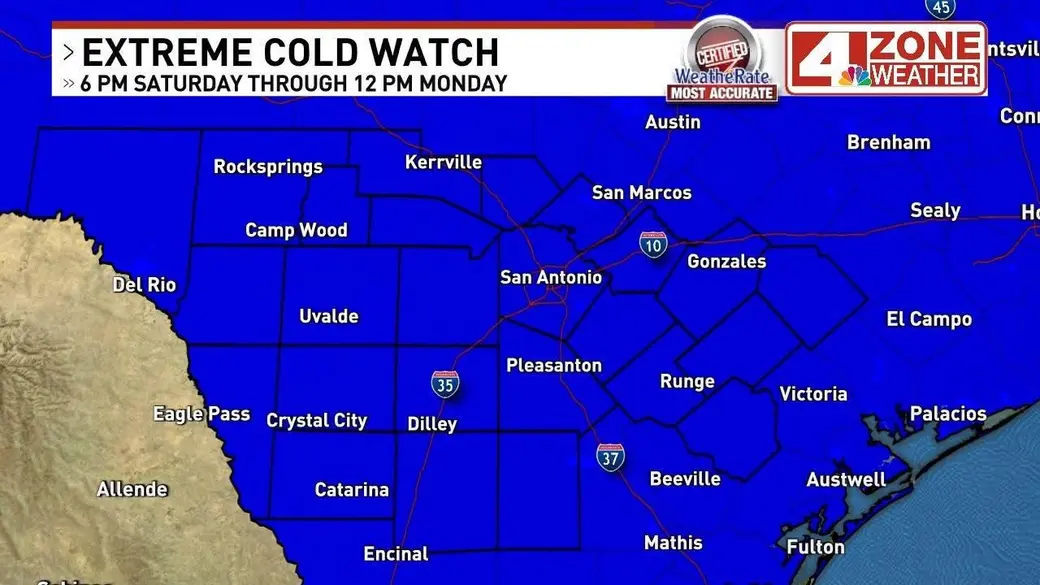
The National Weather Service has issued an Extreme Cold Watch for San Antonio and South Central Texas, with dangerous freezing temperatures beginning Saturday evening and lasting through Monday morning. Temperatures will plunge to the teens with wind chills near or below 0°F, plus potential freezing rain. For San Antonio homeowners, this rare extended freeze demands immediate action to protect your home, plumbing, and property value.
Quick Answer: San Antonio homes are at extreme risk when temperatures stay below freezing for extended periods. The most critical priorities are protecting pipes (especially outdoor and exterior wall plumbing), maintaining indoor heat at 65°F minimum, insulating exposed areas, and preparing emergency supplies before Saturday evening.
As a veteran-owned real estate team serving San Antonio for 6+ years, Veteran Real Estate San Antonio: The Beal Group has guided hundreds of homeowners through property protection, storm damage assessment, and insurance claims. This comprehensive guide gives you proven, step-by-step strategies to safeguard your investment before, during, and after this historic cold event.
What Does "Extreme Cold Watch" Mean for San Antonio Homeowners?
An Extreme Cold Watch indicates life-threatening conditions are likely, including:
-
Overnight lows in the teens (some areas below 10°F)
-
Daytime highs near or below freezing for 48+ hours
-
Wind chills near 0°F or below creating frostbite risk in minutes
-
Freezing precipitation causing icy roads and roof stress
-
Power grid strain with potential outages
-
Burst pipe epidemic from sustained freezing
Why This Is Different: Unlike typical San Antonio cold snaps that last 6-12 hours, this multi-day freeze keeps pipes frozen longer, increasing burst risk exponentially. The 2021 Texas freeze caused over $200 billion in damage, with 70% of residents losing power and 31% experiencing water damage. San Antonio faces $186.6 million in annual climate-related property losses, making preparation essential for protecting your home's value.
Before the Freeze: Priority Home Protection Checklist
🔧 1. Plumbing & Pipe Protection (HIGHEST PRIORITY)
Frozen and burst pipes are the #1 cause of winter property damage in San Antonio, with individual claims averaging $10,000-50,000.
Do Now (Before Saturday Evening):
Indoor Pipes:
-
Open cabinet doors under all sinks (kitchen, bathroom, laundry) to let warm air reach pipes on exterior walls
-
Insulate exposed pipes in garage, attic, crawlspaces with foam pipe insulation or heat tape
-
Locate and label your main water shut-off valve—every family member should know where it is
-
Wrap pipes under mobile homes with insulation and seal openings
Outdoor Pipes:
-
Disconnect ALL garden hoses and drain them completely
-
Store hoses indoors to prevent cracking
-
Install insulated faucet covers on outdoor spigots (foam covers available at hardware stores for $3-8)
-
If covers are sold out, improvise with rags/towels wrapped and secured with duct tape, then covered with a plastic bag
-
Drain outdoor sprinkler systems and turn them OFF
-
Cover above-ground sprinkler heads with insulation
During the Coldest Hours (Saturday Night - Monday Morning):
-
Let faucets drip slowly (pencil-lead thickness) especially on exterior walls—moving water resists freezing
-
Drip the faucet farthest from your water meter to keep water moving through entire system
-
Never let indoor temperature drop below 65°F, even when away
-
Keep interior doors open to promote air circulation between rooms
💡 Expert Tip: A slow drip uses approximately 5 gallons per day (costs ~$0.03), while a burst pipe repair averages $5,000-15,000. The drip is insurance worth paying for.
🌡 2. Heating System & HVAC Preparation
Your heating system will run non-stop for 48+ hours, ensure it's ready.
Pre-Freeze Actions:
-
Replace air filters now (dirty filters reduce efficiency and cause system failure)
-
Test your heater today, don't wait until Saturday
-
Clear all vents and return air grilles of furniture and obstructions
-
Close fireplace flues when not actively burning fires (open flues are massive heat drains)
-
Service your HVAC system if it hasn't been inspected in 12+ months
During the Freeze:
-
Set thermostat to 68°F minimum, do NOT use setback programming during this event
-
Consistency is key: Avoid temperature fluctuations that cause pipes to freeze during "low" periods
-
Run ceiling fans on LOW in reverse (clockwise) to push warm air down from ceilings
-
If using portable space heaters:
-
Plug directly into wall outlets (never use extension cords)
-
Keep 3+ feet from flammable materials
-
Never leave unattended or run overnight while sleeping
-
Never use outdoor propane heaters, grills, or generators indoors (carbon monoxide poisoning risk)
-
🪟 3. Insulation & Draft Control
Stop cold air infiltration to reduce heating costs and prevent frozen pipes.
Seal Air Leaks:
-
Apply weather stripping to all exterior doors (bottom, sides, top)
-
Caulk gaps around window frames
-
Install foam gaskets behind outlet and switch covers on exterior walls
-
Use draft stoppers or rolled towels at door bottoms
-
Hang heavy curtains or blankets over large windows and sliding glass doors at night
Window Strategies:
-
Daytime: Open curtains on south-facing windows to capture solar heat
-
Nighttime: Close all curtains to create insulation barrier
💡 Budget Hack: Even bubble wrap taped to windows creates an insulation layer that reduces heat loss by 10-15%.
🔋 4. Power Outage & Emergency Preparedness
Cold weather strains the grid. San Antonio saw rotating outages during the 2021 freeze. Prepare now.
Emergency Supply Kit:
-
Lighting: Flashlights, LED lanterns, extra batteries, candles with matches
-
Power: Fully charged power banks for phones (charge all devices Friday night)
-
Water: 1 gallon per person per day for 3-5 days (in case water service is disrupted)
-
Food: Non-perishable items that don't require cooking (protein bars, canned goods, peanut butter, crackers)
-
Tools: Manual can opener, battery-operated or hand-crank radio
-
First Aid: Basic first-aid kit, prescription medications (refill now if low)
-
Warmth: Extra blankets, sleeping bags, winter clothing layers
-
Communication: Paper list of emergency contacts (in case phone dies)
Generator Safety (If You Have One):
-
NEVER operate generators indoors, in garages, or within 20 feet of homes
-
Carbon monoxide poisoning kills quickly and is odorless
-
Use heavy-duty outdoor-rated extension cords only
⚠️ NEVER use gas stoves, ovens, or outdoor grills for indoor heating—these cause fatal carbon monoxide buildup.
🚗 5. Vehicle Preparation
Protect your transportation and ensure safety during icy conditions.
Pre-Freeze Vehicle Checklist:
-
Check antifreeze/coolant levels (should be rated to at least -20°F)
-
Inspect tire pressure, cold weather reduces pressure by 1-2 PSI per 10°F drop
-
Fill gas tank to at least half full (prevents fuel line freezing and ensures fuel for heating if stranded)
-
Test battery strength (cold weather reduces battery capacity by 30-50%)
-
Replace worn wiper blades
Emergency Car Kit:
-
Ice scraper and snow brush
-
Jumper cables or portable jump starter
-
Blankets and extra winter clothing
-
Bottled water and non-perishable snacks
-
Small shovel and kitty litter or sand (for tire traction)
-
Flashlight and phone charger
Driving Tips:
-
Avoid travel Saturday-Monday if possible
-
If you must drive: reduce speed 50%, increase following distance 3x, brake gently
-
Bridges and overpasses freeze first—use extreme caution
-
Black ice is invisible: If roads look wet and temps are below 32°F, assume ice
🐾 6. Pets, Plants & Outdoor Items
Pet Safety:
-
Bring ALL pets indoors (even "outdoor" dogs can develop hypothermia below 20°F)
-
Provide warm bedding away from drafts
-
Increase food portions slightly (pets burn more calories staying warm)
-
Check paws for ice buildup and frostbite after outdoor bathroom breaks
-
Watch for signs of hypothermia: shivering, lethargy, whining
Plant Protection:
-
Cover sensitive plants and shrubs with frost cloth, burlap, or old bedsheets (NOT plastic directly touching plants)
-
Bring potted plants indoors
-
Water plants thoroughly before freeze (moist soil retains heat better than dry)
-
Remove covers once temps rise above freezing to prevent mold
Outdoor Items:
-
Bring patio furniture, grills, and decorative items indoors or cover securely
-
Secure loose items that could become projectiles in wind
-
Drain water from birdbaths and fountains
During the Freeze: What to Monitor
Signs Your Pipes May Be Freezing
Act immediately if you notice:
-
Significantly reduced water flow from faucets
-
No water at all when turning on faucets
-
Frost visible on exposed pipes
-
Bulging or cracked pipes
-
Strange gurgling sounds from drains
-
Sewage odors (frozen vent pipes)
If a Pipe Freezes:
-
Shut off the main water valve immediately (prevents flooding if pipe has cracked)
-
Open faucet to relieve pressure
-
Apply gentle heat to frozen section:
-
Use hair dryer, heat lamp, or space heater
-
Wrap pipe with towels soaked in hot water
-
Start heating near faucet, work toward frozen section
-
-
NEVER use open flames (blowtorch, propane heater)—fire risk and pipes can burst from rapid heating
If a Pipe Bursts:
-
Shut off main water valve immediately
-
Call licensed plumber (have contact info ready NOW)
-
Document damage with photos/videos for insurance
-
Move belongings away from water
-
Begin water cleanup if safe to do so
-
Contact homeowner's insurance to file claim
💡 Real Estate Impact: Unrepaired water damage can reduce home value by 10-25% and create disclosure requirements for future sales. Quick action protects your investment.
Staying Safe Outdoors
Extreme cold + wind chills can cause frostbite in 10-30 minutes.
Hypothermia Warning Signs:
-
Shivering, confusion, slurred speech
-
Drowsiness, exhaustion
-
Weak pulse, shallow breathing
Frostbite Warning Signs:
-
Numbness in fingers, toes, nose, ears
-
Waxy, pale, or grayish-yellow skin
-
Blistering after rewarming
Outdoor Safety Rules:
-
Dress in layers: Moisture-wicking base layer, insulating middle layer, windproof outer layer
-
Cover all exposed skin (face, ears, neck, hands)
-
Limit outdoor exposure to 15-20 minutes maximum
-
Take frequent warming breaks indoors
After the Freeze: Home Inspection & Recovery
Once temps rise above freezing Monday afternoon/evening:
Post-Freeze Inspection Checklist
Plumbing Check:
-
Run all faucets to flush remaining ice and check for leaks
-
Inspect under sinks, behind toilets, in cabinets for water stains or drips
-
Check ceilings and walls for water spots (indicates leaks in upper floors/attic)
-
Test water heater and washing machine connections
-
Inspect crawlspaces and basements for standing water
Exterior Check:
-
Clear gutters and downspouts of ice/debris
-
Inspect roof for ice dams or damage
-
Check outdoor faucets for cracks or leaks
-
Test sprinkler system for damage before reactivating
-
Look for cracked pavement, sidewalks (freeze-thaw damage)
Documentation:
-
Take photos of ALL damage before repairs
-
Save all receipts for emergency supplies and repairs
-
Document timeline of issues
-
Contact homeowner's insurance promptly (many policies have reporting deadlines)
📸 Insurance Tip: Most homeowner policies cover sudden burst pipe damage but may exclude damage from "lack of maintenance" or extended vacant periods. Document your preparation efforts.
Frequently Asked Questions (FAQ)
What temperature is dangerous for San Antonio homes?
Any sustained period below 32°F poses pipe freeze risk, especially when temps stay below freezing overnight. Extended freezes below 20°F with wind chills near 0°F (like this weekend) create extreme risk for burst pipes, heating system failure, and property damage. San Antonio homes are particularly vulnerable because they're not built for prolonged cold like northern homes.
Should I let faucets drip during the freeze?
Yes. Letting faucets drip (slow pencil-lead thickness stream) prevents pipes from freezing by keeping water moving and relieving pressure buildup that causes bursts. Focus on faucets on exterior walls and the faucet farthest from your water meter. The small water cost ($0.03-0.10/day) is negligible compared to $5,000-15,000 burst pipe repairs.
Will San Antonio get snow or ice this weekend?
There is potential for light freezing rain or ice Saturday evening through Sunday morning. Even small amounts of ice can make roads extremely dangerous and create roof stress. Monitor local forecasts closely and avoid unnecessary travel.
What thermostat setting should I use during the freeze?
Keep your thermostat at a minimum of 65°F continuously—do NOT use setback or "away" programming during this event. Consistent heat is essential to prevent pipes from freezing. If you're leaving town, leave heat at 65-68°F.
How can I tell if my pipes burst?
Signs include: no water flow when turning on faucets, visible water pooling under sinks or on floors/ceilings, sudden drop in water pressure throughout house, hissing or dripping sounds in walls, or water stains on walls/ceilings. If you suspect a burst pipe, shut off your main water valve immediately and call a plumber.
Does homeowner's insurance cover freeze damage?
Most homeowner policies cover sudden burst pipe damage, but coverage varies. Damage from long-term neglect or vacant homes may be excluded. File claims promptly and document everything. Consider reviewing your policy now to understand coverage limits.
What if the power goes out during the freeze?
If you lose power: gather family in one room, close doors to trap heat, use blankets and layers for warmth, never use outdoor heaters or grills indoors (carbon monoxide risk), and monitor for hypothermia symptoms. If extended outage is likely, consider relocating to a warming center (San Antonio will publish locations).
Are San Antonio homes built to handle this cold?
No. San Antonio homes are designed for heat, not prolonged freezing conditions. Most homes have pipes in exterior walls, minimal insulation, and single-pane windows, all vulnerabilities during extreme cold. This is why proactive protection is critical.
Protecting Your Home Investment: Real Estate Perspective
As San Antonio real estate professionals, we've helped dozens of homeowners navigate freeze damage, insurance claims, and property value recovery after winter storms. Here's what you need to know:
Property Value Impact of Winter Damage
-
Burst pipes/water damage: Can reduce home value 10-25% if not fully remediated
-
Mold growth: Requires extensive disclosure and remediation (average $3,000-15,000)
-
Structural damage: Foundation cracks, roof damage from ice dams significantly impact marketability
-
Disclosure requirements: Texas law requires sellers to disclose known material defects, including past freeze damage
Prevention Protects Your Investment
The $50-200 you spend on insulation, faucet covers, and preparation is cheap insurance against $10,000-50,000 in damage and lost home value. Buyers increasingly request home inspection reports and maintenance records, documented preparation demonstrates responsible ownership.
When to Call for Professional Assessment
Contact Veteran Real Estate San Antonio: The Beal Group for guidance on:
-
Post-freeze property damage assessment
-
Insurance claim navigation
-
Contractor referrals (licensed plumbers, restoration companies)
-
Home value impact analysis
-
Selling homes with past weather damage
-
Winterization for vacant listings
We're here to protect your property and your investment.
📞 Call/Text: 210-882-8583
📧 Email: [email protected]
🌐 Website: www.veteranrealestatesa.com
Final Takeaway: Be Proactive, Stay Safe
San Antonio's Extreme Cold Watch is a serious threat to your home, family, and property value. When temperatures stay below freezing for 48+ hours with dangerous wind chills, proactive preparation is the only defense against costly damage.
Key Actions (Do Before Saturday Evening):
✅ Insulate and protect all exposed pipes
✅ Disconnect outdoor hoses and cover faucets
✅ Set thermostat to 65°F minimum
✅ Seal drafts around doors and windows
✅ Prepare emergency kit with food, water, batteries
✅ Fill gas tank and prepare vehicle emergency kit
✅ Bring pets indoors and cover plants
✅ Locate main water shut-off valve
✅ Charge all devices and power banks
✅ Have licensed plumber contact info ready
This weekend's freeze is rare, but its impact can be devastating if you're unprepared. Protect your home, protect your family, and protect your investment.
Stay warm, stay safe, and stay informed.
Categories
- All Blogs (354)
- Alamo Heights (4)
- awards (4)
- Best Neighborhoods in San Antonio (13)
- Buyer (16)
- Buyer Education (86)
- Community Events (4)
- Hill Country (17)
- JBSA (43)
- Local Guide (6)
- Luxury (28)
- Luxury Real Estate (26)
- Market Trends (19)
- Market Update (14)
- Military Relocation (111)
- Military Retirement (3)
- Mortgage (19)
- Neighborhood Guides (18)
- neighborhoods (5)
- New Construction (16)
- PCS (42)
- Real Estate (40)
- reviews (3)
- San Antonio (53)
- San Antonio Lifestyle (4)
- San Antonio Market (5)
- San Antonio Neighborhoods (43)
- San Antonio Real Estate (100)
- San Antonio, Veterans Resources, VA Loans (5)
- Seller (55)
- VA Home Loans (30)
- VA Loans (35)
- Va Loans & Financing (27)
- Veterans (10)
- Veterans Resources (40)
Recent Posts