VA Loan + New Construction in San Antonio (2026): Contracts, Appraisals, and How Veterans Can Reduce Closing Costs

Lead Line: If you’re a veteran or active-duty buyer considering new construction in San Antonio with a VA loan, call/text Christopher Beal at (210) 882-8583 and I’ll help you build a timeline that actually closes.
VA Loan + New Construction in San Antonio (2026): Contracts, Appraisals, and How Veterans Can Reduce Closing Costs
Last Updated: April 24, 2026
- Why is VA + new construction trickier than buyers expect?
- What is the step-by-step process for buying new construction with a VA loan?
- What should veterans look for in a builder contract?
- How does the VA appraisal work on new construction?
- Do you still need a home inspection?
- How can you negotiate incentives that reduce closing costs?
- How should PCS buyers time a build in 2026?
- What does the 2026 market mean for negotiating with builders?
Why is VA + new construction trickier than buyers expect?
New construction feels simple because everything looks shiny and “brand new.” But for VA buyers, the risk is rarely the countertops—it’s the calendar and the paperwork. Builders move fast when you sign, then the build schedule moves slow when you’re trying to line up rate locks, PCS dates, and a clear-to-close.
Most frustration comes from three gaps:
- Contract gap: Builder contracts protect the builder. VA buyers need specific language to protect timelines, financing contingencies, and appraisal outcomes.
- Timeline gap: A VA loan has milestones (appraisal, repairs if needed, final completion). Those milestones have to match the build stage.
- Incentive gap: Incentives can reduce closing costs—but only if you understand what’s being offered, where it shows up on the Loan Estimate, and what strings are attached.
What is the step-by-step process for buying new construction with a VA loan?
Here’s a clean, field-tested sequence that works for military and veteran buyers in San Antonio.
| Step | What you do | Why it matters for VA |
|---|---|---|
| 1 | Get VA pre-approval (not just pre-qualification) | Builders will push you to sign quickly; pre-approval keeps you from buying “hope” instead of a plan. |
| 2 | Choose build type: inventory, quick-move-in, or to-be-built | Different build stages create different appraisal timing and rate-lock strategies. |
| 3 | Negotiate the deal (price, incentives, timelines) | What’s written controls whether incentives reduce closing costs and what happens if the schedule moves. |
| 4 | Sign the builder contract + pay earnest money | This is the moment to lock contingency and extension language. |
| 5 | Loan application + disclosures | Your Loan Estimate is where you confirm how incentives are applied. |
| 6 | VA appraisal ordered at the right build stage | Order too early and you risk rework; too late and you risk missing the close window. |
| 7 | Inspection strategy (phase / final) | Protects you from hidden defects and gives leverage before closing. |
| 8 | Final walk-through + clear-to-close | Ensures completion standards are met and your lender can fund. |
If you want help building this timeline around your PCS date, call/text me at (210) 882-8583. You can also start with our VA resources here: https://veteranrealestatesa.com/va-home-loans and our PCS hub here: https://veteranrealestatesa.com/military-relocation.
What should veterans look for in a builder contract?
If you’ve ever read a builder contract and thought, “This feels one-sided,” your instincts are correct. That doesn’t mean you shouldn’t buy new construction—it means you should treat the contract as a negotiation map.
Which deadlines can hurt VA and PCS buyers?
Builder contracts often have tight deadlines for:
- loan application submission
- design selections
- document requests
- closing windows
If you’re active duty and your schedule shifts, you need to know whether the contract allows reasonable extensions or if delays create penalties.
What clauses matter most when the appraisal comes in low?
In a softer market, builders may be more flexible. In a tight market, some builders try to push appraisal risk to the buyer. Look for language that defines what happens when the appraised value is below contract price.
What “preferred lender” language should you watch?
Preferred lender incentives can be real—and they can reduce closing costs—but you want the freedom to compare. I advise VA buyers to compare: rate, points, lender fees, and VA experience. If the incentive is strong, we use it. If it’s not, we protect you by choosing the best option.
How does the VA appraisal work on new construction?
The VA appraisal is primarily about value and property standards. The VA appraiser is not your inspector. The key is ordering the appraisal at the right time.
When should the VA appraisal be ordered?
For a quick-move-in home that’s nearly complete, the appraisal can be ordered earlier. For a to-be-built home, ordering too early can create delays because the property isn’t in a condition that supports a final valuation and completion sign-off.
What happens if the VA appraisal is low?
You have options, and the best one depends on your priorities:
- Renegotiate the price with the builder.
- Adjust options (sometimes by removing upgrades that inflated the contract price).
- Request a reconsideration of value if there are legitimate comps or errors.
- Bring funds if you choose to—but only after we confirm it’s the right decision for your finances.
Do you still need a home inspection?
Yes—most of the time. New does not mean perfect, and construction is done by humans under time pressure. A good inspection strategy is one of the best ways to reduce regret.
What inspection plan works best for VA buyers?
Many of my clients choose one of these approaches:
- Final-only inspection: Good for inventory/quick move-in when timelines are short.
- Phase inspections: Great for to-be-built homes (pre-drywall + final) so problems are identified when they’re easier to fix.
How can you negotiate incentives that reduce closing costs?
Incentives are where new construction can really shine for VA buyers—especially if you’re trying to preserve cash after a move. But incentives only help if they reduce your real out-of-pocket costs and don’t hide in a higher rate or higher fees.
What types of incentives are common in San Antonio new construction?
- builder-paid closing cost incentives (often through a preferred lender)
- temporary rate buydowns (for some loan types)
- design center credits
- price adjustments or lot premiums waived
How does Serve & Save fit into the negotiation?
If you qualify, our Serve & Save program can be layered into a plan that reduces closing costs. The key is coordinating it with the builder incentive and your lender’s credits so everything is documented cleanly.
What should you verify on the Loan Estimate?
Before you celebrate an incentive, verify where it appears:
- Lender credits and how they affect cash to close
- Origination charges and whether they increased
- Title fees and whether the builder requires a certain title company
- Any “junk fee” patterns that erase the incentive
How should PCS buyers time a build in 2026?
PCS timelines are real life, not theory. The best plan is one that builds slack into the schedule. If you have a hard report date, you want options: temporary housing, a quick-move-in home, or a contract that supports extensions without penalties.
What timeline questions should military buyers ask the builder?
- Is the completion date an estimate or a commitment?
- What happens if materials delay the build?
- Can the builder provide weekly milestones?
- What is the earliest the builder will allow an appraisal to be ordered?
If you’re moving soon, start with these resources:
- VA loans: https://veteranrealestatesa.com/va-home-loans
- Military relocation: https://veteranrealestatesa.com/military-relocation
- Reviews: https://veteranrealestatesa.com/reviews
- About: https://veteranrealestatesa.com/about-us
What does the 2026 market mean for negotiating with builders?
In 2026, negotiation strength varies by neighborhood, builder inventory, and how many completed homes are sitting. This is why we look at local data and not just headlines.
For example, here’s a 6-month snapshot for a large West/Southwest San Antonio ZIP that often includes both resale and new construction options:
| Metric (6 months) | ZIP 78245 | What it can mean for you |
|---|---|---|
| Median sale price | $289,120 | Entry-to-mid pricing can create competition; incentives become more important than list price. |
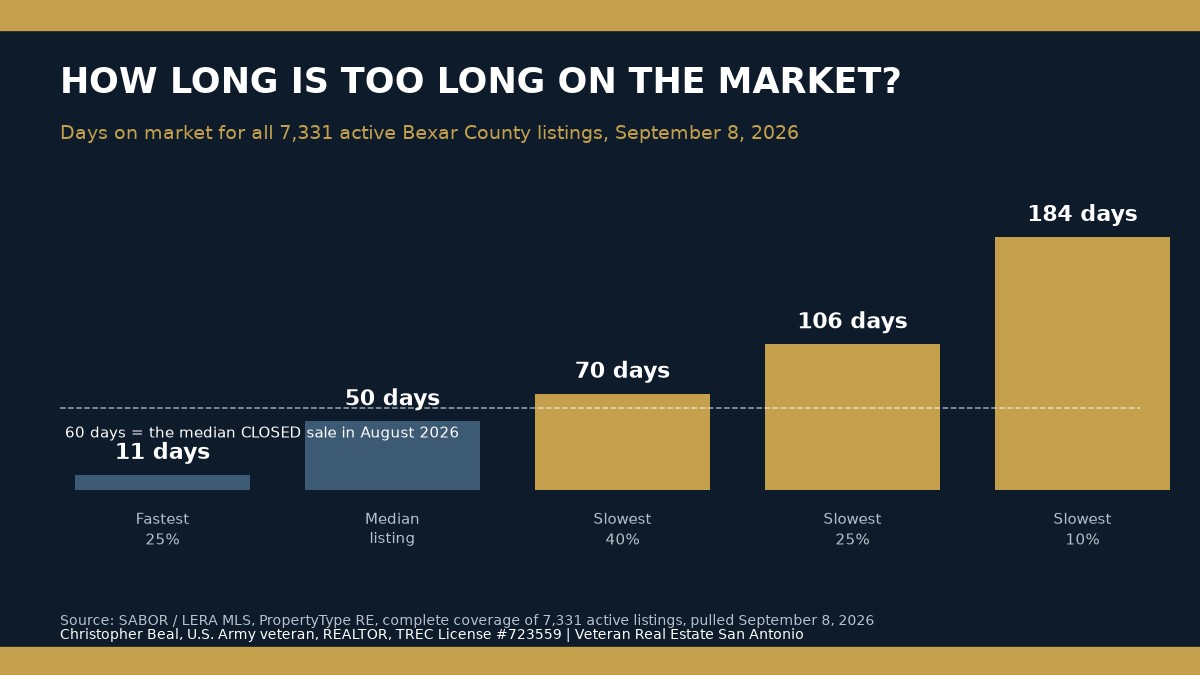
| Median days on market | 77 days | Longer marketing time can increase your leverage for closing cost help. |
| Months of inventory | 6.1 months | Closer to a balanced market—builders may negotiate to move inventory. |
Want a ZIP-specific negotiation plan for your price point and PCS timeline? Call/text (210) 882-8583 and I’ll map it out.
Want to personalize this plan for your PCS and budget?
Copy/paste one of these prompts into your favorite tool, then bring me the output and we’ll sanity-check it against the real contract and local market conditions.
Frequently Asked Questions
Can I use a VA loan on a new construction home in San Antonio?
Yes. You can use a VA loan on eligible new construction, but the builder, the home, and the timeline must fit VA requirements (including appraisal, inspections, and final completion).
Do VA loans require a home inspection on new construction?
The VA appraisal is not a home inspection. Many VA buyers still order an independent inspection (and often a phase or final inspection) to reduce risk.
What are the biggest risks with builder contracts for VA buyers?
Common risks include short deadlines, limited remedies for delays, appraisal-related language that shifts costs to the buyer, and restrictions on negotiating repairs or credits.
What happens if a new construction home appraises low with a VA loan?
If the appraised value is below the contract price, you typically renegotiate with the builder, request a reconsideration of value if supported, change options, or bring funds—depending on your goals and the contract terms.
Can a builder pay my closing costs with a VA loan?
In many cases, builders can offer incentives that reduce closing costs (for example, lender credits through a preferred lender). The key is structuring it within VA rules and negotiating it in writing.
Is a VA loan harder to use than a conventional loan for new construction?
It can feel more detailed because VA has property and documentation requirements, but with the right lender and a strong timeline plan, VA buyers close new construction successfully every day.
How long does it take to close on a VA new construction home?
It depends on the build stage. For a completed or near-complete inventory home, closings can happen in weeks. For to-be-built homes, the closing date follows construction completion and the VA appraisal/clear-to-close timeline.
Should I use the builder’s preferred lender on a VA loan?
Sometimes it makes sense if the incentives materially reduce closing costs. But you should still compare fees, rate, and VA experience—and confirm the lender can meet your PCS timeline.
Can I back out if the builder misses the completion date?
Maybe. Many builder contracts give the builder broad flexibility. Your options depend on the contract language, financing contingency, and whether your lender can extend.
What’s one smart way veterans can reduce closing costs on new construction?
Stack incentives strategically: negotiate builder incentives, compare lender fees, and use programs like Serve & Save (which reduces closing costs) when available—then document everything in the contract and loan estimate.
Categories
- All Blogs (356)
- Alamo Heights (4)
- awards (4)
- Best Neighborhoods in San Antonio (13)
- Buyer (16)
- Buyer Education (88)
- Community Events (4)
- Hill Country (17)
- JBSA (47)
- Local Guide (6)
- Luxury (28)
- Luxury Real Estate (26)
- Market Trends (19)
- Market Update (14)
- Military Relocation (114)
- Military Retirement (3)
- Mortgage (19)
- Neighborhood Guides (19)
- neighborhoods (5)
- New Construction (16)
- PCS (42)
- Real Estate (40)
- reviews (3)
- San Antonio (53)
- San Antonio Lifestyle (4)
- San Antonio Market (5)
- San Antonio Neighborhoods (45)
- San Antonio Real Estate (98)
- San Antonio, Veterans Resources, VA Loans (5)
- Seller (55)
- VA Home Loans (30)
- VA Loans (36)
- Va Loans & Financing (27)
- Veterans (10)
- Veterans Resources (40)
Recent Posts