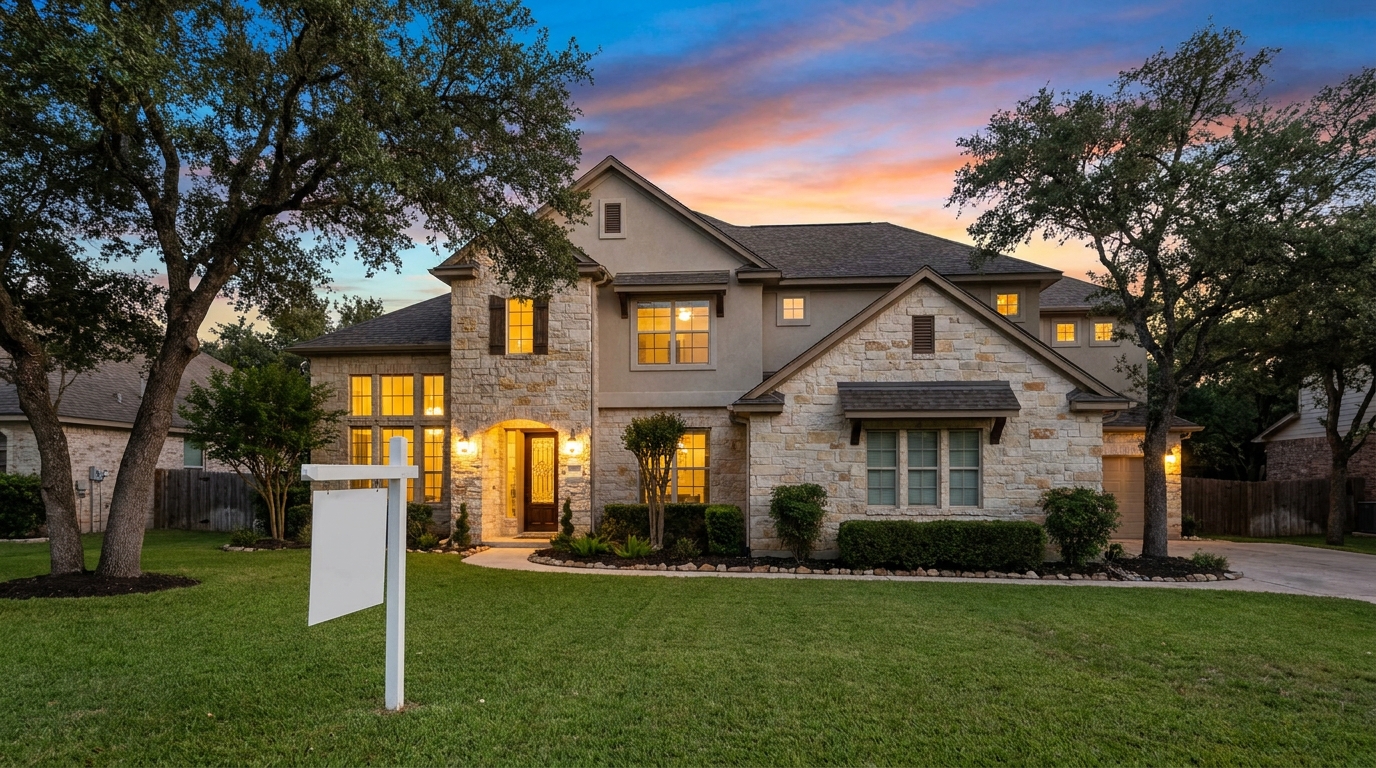
New Construction Near JBSA in 2026: A Military-Friendly Buyer Checklist (San Antonio)
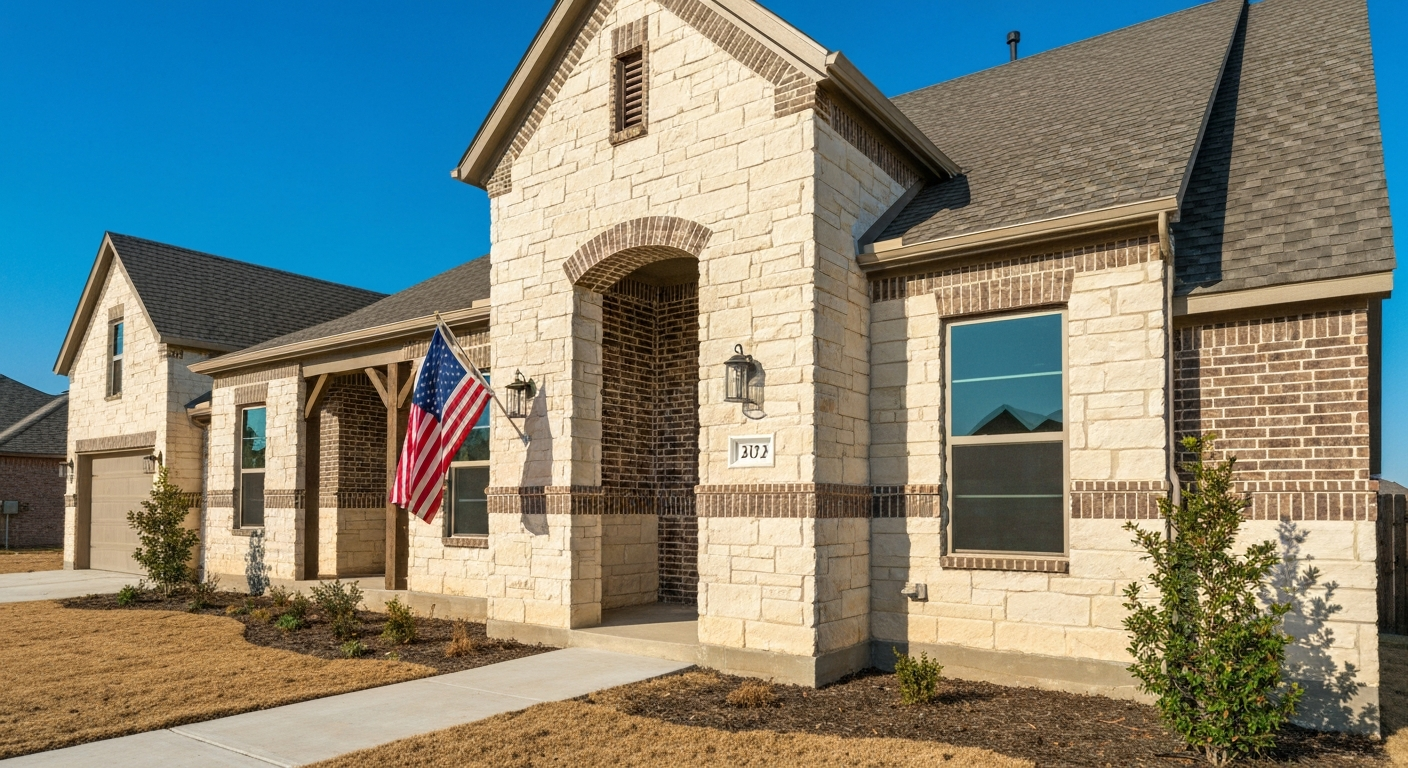
New Construction Near JBSA in 2026: A Military-Friendly Buyer Checklist
If you’re PCSing to Joint Base San Antonio (Lackland, Randolph, Fort Sam Houston) and considering a new build, this guide helps you avoid the most common (and expensive) surprises: permit status, timelines, warranty coverage, and builder negotiation.
2026 market snapshot (Bexar County)
Before you pick a builder, understand the market you’re negotiating in. Here’s what the most recent 6‑month MLS lookback shows for Bexar County.
- More inventory usually means more leverage—especially if you’re comparing multiple builders and you’re flexible on closing date.
- “Incentives” are negotiable. Focus on total cost (rate buydown + closing costs + upgrades), not the headline discount.
MLS snapshot generated from LERA MLS data via an automated market stats script (Bexar County, 6‑month lookback; data date Apr 1, 2026).
The 10-step new construction checklist (JBSA edition)
1) Confirm commute reality (not map fantasy)
- Run your commute for your likely shift times (including gate traffic) before choosing a community.
- Ask the builder which entrance you’ll use for deliveries and school routes—small details matter during PCS.
2) Ask what’s actually included (not just in the model home)
- Get an itemized list of standard features vs. options (flooring, countertops, appliance package, garage door opener, blinds, irrigation).
- Ask for the electrical plan early (outlets, ethernet drops, EV charger prewire).
3) Verify the build timeline with hard milestones
- Foundation pour date
- Framing start
- Mechanical rough‑ins complete (plumbing/electrical/HVAC)
- Drywall complete
- Final walkthrough + punch list
- Certificate of Occupancy (CO) / final sign‑offs
4) Get the warranty book + who to call (before you sign)
- Ask for the written warranty document and the claims process (web portal, phone, required photos, response times).
- Confirm what’s excluded (cosmetic cracks, landscaping, drainage, “normal settling,” etc.).
5) Plan a third‑party inspection strategy
- Pre‑drywall inspection catches issues when they’re cheapest to fix.
- Final inspection verifies systems and fit/finish before you close.
- 11‑month warranty inspection helps you submit warranty requests before the first-year window closes.
6) Understand HOA + community development phases
- Ask what phase you’re buying in, when amenities will be completed, and whether assessments can change.
- Ask about future commercial development nearby (noise, traffic, resale perception).
7) Verify flood risk and drainage plans
- In some areas, small elevation differences matter. Ask for drainage plans and where water flows after heavy rain.
- Consider a survey and ask about lot grading warranties.
8) Confirm property tax assumptions
- Don’t use last year’s raw lot tax bill to estimate future taxes—new improvements will change value.
- If you’ll occupy the home, plan your homestead exemption filing as soon as you qualify.
9) Review financing beyond “builder lender” marketing
- Compare the builder’s lender offer against at least one outside lender (APR + fees + rate lock options).
- Ask if incentives are tied to using the builder’s lender and what changes if you use your preferred lender.
10) Keep your PCS flexibility
- Negotiate closing-date flexibility and know your lease overlap plan.
- Ask about construction delays and what happens if your orders change.
Permits + Certificate of Occupancy: what to verify
Even if a builder handles the paperwork, buyers should still verify the basics. The City of San Antonio notes that a building permit is typically required if you build a structure, and that new homes require plans examiner review (which the City says typically takes three business days for the review itself).
- Ask for the permit number(s) and inspection history.
- Confirm final inspection approvals and the Certificate of Occupancy (CO) before closing.
- Keep PDFs/screenshots in your closing folder—especially if you’re closing remotely during PCS.
Official permits guidance: City of San Antonio Development Services — Residential Permits page (https://www.sa.gov/Directory/Departments/DSD/Constructing/Residential/Permits).
Texas warranty + defect timeline basics (plain English)
New construction buyers often assume they have “10 years” to deal with major issues. In Texas, recent law changes created a shorter timeline in certain situations.
What “1‑2‑6” means
- 1 year for workmanship and materials
- 2 years for systems like plumbing, electrical, heating, and air-conditioning delivery
- 6 years for major structural components
Why buyers should care
- If a builder provides the qualifying written warranties, a 6‑year statute of repose can apply to certain construction-defect claims (clock generally starts at substantial completion).
- If those warranties are not provided, a longer repose period may apply, but your situation is contract- and fact-specific.
Plain-language legal overview used for buyer education only: Matthiesen, Wickert & Lehrer’s analysis of Texas’s residential construction repose change (https://www.mwl-law.com/texas-creates-new-statute-of-repose-for-residential-construction-claims/). This is not legal advice—verify details with your attorney for your specific contract.
How to negotiate with builders in 2026 (without losing the house)
In a higher-inventory environment, negotiation isn’t just about price. It’s about risk reduction.
Negotiation priorities (in order)
- Total monthly payment (rate buydown + lender fees) rather than only sales price
- Closing costs credits (ask for credits you control, not upgrades you may not value)
- Upgrade package (flooring, cabinets, appliance package)
- Timeline flexibility (PCS-friendly closing windows)
- Warranty clarity (who, what, how fast, and what’s excluded)
Want a short list of communities that fit your commute + budget?
Tell us your base (Lackland, Randolph, or Fort Sam), your target payment, and whether you prefer a quick move-in (QMI) or build-from-dirt timeline. We’ll help you compare options and negotiate the right incentives.
Other helpful links: VA Home Loans • Serve & Save • Reviews
FAQ
Do new homes in San Antonio require permits and inspections?
Yes. The City of San Antonio states that a building permit is typically required to build a structure and that new homes require plans examiner review. Your builder should handle permitting, but you should still confirm permit numbers, inspection approvals, and CO status before closing.
What is the Texas homestead exemption amount in 2026?
The Texas Comptroller explains that school districts must provide a $140,000 residence homestead exemption (with additional optional exemptions available depending on the taxing unit). Always confirm what applies to your address with your appraisal district.
What warranty timeframes should I look for in a Texas new construction home?
At minimum, look for written warranty coverage that clearly states the term for workmanship/materials, systems, and structural components. Many Texas contracts reference minimum 1‑2‑6 periods; your builder may offer more. Get it in writing and save a copy.
Sources cited in this article: City of San Antonio Development Services Residential Permits page (https://www.sa.gov/Directory/Departments/DSD/Constructing/Residential/Permits); Texas Comptroller property tax exemptions overview (https://comptroller.texas.gov/taxes/property-tax/exemptions/); Matthiesen, Wickert & Lehrer analysis (https://www.mwl-law.com/texas-creates-new-statute-of-repose-for-residential-construction-claims/).
Categories
- All Blogs (355)
- Alamo Heights (4)
- awards (4)
- Best Neighborhoods in San Antonio (13)
- Buyer (16)
- Buyer Education (86)
- Community Events (4)
- Hill Country (17)
- JBSA (44)
- Local Guide (6)
- Luxury (28)
- Luxury Real Estate (26)
- Market Trends (19)
- Market Update (14)
- Military Relocation (112)
- Military Retirement (3)
- Mortgage (19)
- Neighborhood Guides (19)
- neighborhoods (5)
- New Construction (16)
- PCS (42)
- Real Estate (40)
- reviews (3)
- San Antonio (53)
- San Antonio Lifestyle (4)
- San Antonio Market (5)
- San Antonio Neighborhoods (44)
- San Antonio Real Estate (100)
- San Antonio, Veterans Resources, VA Loans (5)
- Seller (55)
- VA Home Loans (30)
- VA Loans (35)
- Va Loans & Financing (27)
- Veterans (10)
- Veterans Resources (40)
Recent Posts