Army Commands Leaving San Antonio: Pentagon Realignment Sends Missions to North Carolina
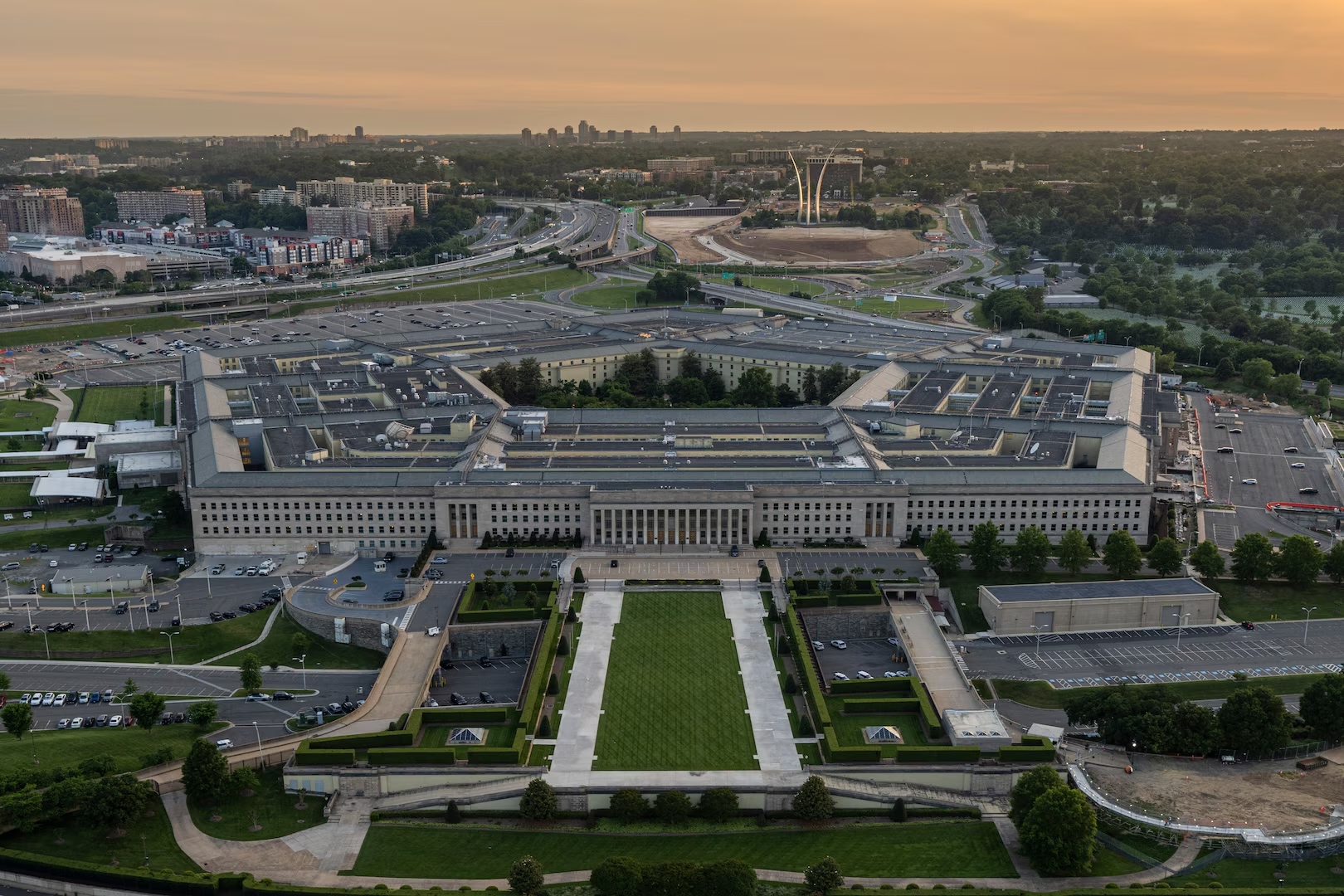
In late 2025, the Pentagon announced a sweeping realignment of several U.S. Army commands to streamline operations, eliminate redundancies, and enhance readiness. At the center of this transformation is San Antonio, long known as "Military City USA," where two significant Army headquarters – U.S. Army North and U.S. Army South – will be relocated from Fort Sam Houston to Fort Bragg, North Carolina (recently renamed Fort Liberty).
While the decision has raised concerns among city officials, business leaders, and residents alike, it's also prompted swift local efforts to adapt, respond, and pursue new military growth opportunities. Here's everything you need to know about what this Pentagon realignment means for San Antonio's military footprint, real estate market, and long-term economic outlook.
Why Are Army Commands Leaving San Antonio?
The U.S. Army is undergoing significant transformation to align its structure with modern operational demands. As part of the Pentagon's broader goal to increase military agility and combat power, Defense Secretary directives in early 2025 called for the downsizing or consolidation of large command headquarters that were seen as duplicative or inefficient.
Both U.S. Army North and U.S. Army South, while highly respected and historically rooted in San Antonio, had overlapping regional missions. Army North focused on homeland defense and disaster response within the continental U.S., while Army South coordinated military activities across Central and South America. The Pentagon's solution: merge the two under a new four-star command titled the Western Hemisphere Command.
Although San Antonio had been a strong candidate to host the consolidated headquarters, Fort Bragg (Fort Liberty) was ultimately selected. With existing infrastructure and proximity to U.S. Army Forces Command (FORSCOM), Fort Bragg provided logistical and strategic efficiencies that aligned with the Army's long-term plans. The move is seen by some Pentagon analysts as not only cost-effective but a symbolic push toward increased joint operations.
Which Commands Are Moving, and Where Are They Going?
U.S. Army North (Fifth Army)
Responsible for defense support to civil authorities, homeland security, and coordination of emergency response. This command has often been central in responding to national emergencies such as hurricanes, wildfires, and large-scale public health emergencies.
U.S. Army South (Sixth Army)
Manages U.S. military cooperation and strategic partnerships throughout Latin America and the Caribbean. It plays a crucial role in foreign military engagement, training exercises with partner nations, and support for anti-narcotics and humanitarian missions.
Both commands are headquartered at Fort Sam Houston in San Antonio and are now slated to relocate their core command functions to Fort Bragg, North Carolina. There, they will be merged into the new Western Hemisphere Command alongside FORSCOM to enhance unified operations.
Not all elements will move at once. While the primary leadership and operational structure will relocate beginning in late 2025, support elements and personnel could remain in San Antonio well into 2026 or beyond. This phased transition gives San Antonio time to prepare and respond strategically.
Timeline of the Relocation
- April 2025: Pentagon releases command streamlining directive
-
June–September 2025: San Antonio city and military leaders lobby to retain commands
-
October 2025: Official announcement of relocation to Fort Bragg
-
Late 2025: Initial headquarters relocation begins (within 6–8 weeks of announcement)
-
2026 onward: Gradual personnel and asset transition; local mitigation and offset efforts continue
The Army has indicated that this transition will be handled carefully to ensure continuity of operations and minimal disruption to service members and their families. Resources will be provided to help affected personnel manage their PCS (Permanent Change of Station) transitions, including relocation assistance and family support programs.
Impact on San Antonio’s Military Jobs and Economy
The announcement from Chief of Staff of the Army Gen. Randy A. George on the creation of the Western Hemisphere Command, which will merge Army North, Army South, and Forces Command (FORSCOM), San Antonio Mayor Gina Ortiz Jones issued a public response.
“As Army leaders shared with us earlier this summer, they are taking steps to achieve efficiencies to accomplish their mission. While I am disappointed to hear the consolidated headquarters will relocate to North Carolina, Army leaders this summer indicated even this outcome could yield a minimal impact to the overall Army footprint at JBSA. We await additional details on the actual number of personnel that may be reassigned because of this change. San Antonio is unmatched in our ability to host military missions and families, and we look forward to working with the Department of War and Department of the Army to identify additional missions San Antonio may be able to host.”
Mayor Ortiz Jones’ statement underscores the city’s commitment to maintaining and expanding its strategic military role, even amid high-level command realignments.
San Antonio's military ecosystem is massive, with over 86,000 employed at JBSA, generating billions in economic activity annually. The loss of two Army command headquarters is significant but not crippling. Analysts estimate the direct impact could include 200–300 high-level military and civilian positions, many of whom live in established neighborhoods and support local businesses.
That said, the loss of leadership jobs often affects more than just payroll numbers. These roles tend to support local nonprofits, school boards, civic leadership, and economic development initiatives. Their departure could leave a cultural and strategic gap in the community.
Still, San Antonio’s economy is resilient. The remaining missions at JBSA – including cyber operations at Lackland AFB, pilot training at Randolph AFB, and the military’s premier medical training facilities at Fort Sam Houston – are growing and well-supported. Moreover, the city’s diversified economic base across technology, biosciences, education, tourism, and logistics further buffers against major downturns.
City and state leaders are already coordinating with the Department of Defense to attract new missions and investment, including bids to become the future home of major federal health, cyber, and AI-focused military agencies.
Real Estate Impact in San Antonio
San Antonio’s real estate market has long been bolstered by the presence of military personnel and the steady influx of new service members. While the headquarters relocation will reduce some high-ranking PCS (Permanent Change of Station) moves into the city, the broader impact on housing demand is expected to be modest.
Potential Effects on Housing:
-
Luxury and mid-range markets: Reduced demand in high-income military-favored communities like Alamo Heights, Terrell Hills, and Stone Oak may increase inventory.
-
Rental properties: Apartments and short-term rentals near Fort Sam Houston may experience a brief dip in demand.
-
Investor opportunity: Investors may find deals as some military homeowners list properties or relocate.
-
Veteran market stability: San Antonio remains a top destination for veterans and retirees using VA loans and looking for long-term residency in a military-friendly city.
-
Neighborhood turnover: Slight increase in listings and rental vacancies may create opportunities for first-time buyers and new residents.
Overall, San Antonio’s housing market remains strong. Population growth, favorable tax policies, and continued military and civilian expansion contribute to a real estate environment that is dynamic and resilient. The presence of robust veteran services, excellent healthcare, and a thriving cultural scene also make the city attractive to those outside the active-duty military community.
Offsetting Developments: Military Medical Expansion
One of the most strategic responses to the Pentagon’s realignment has come in the form of military medicine. San Antonio is already home to Brooke Army Medical Center and the Army Medical Center of Excellence. City leaders are now focused on attracting the Defense Health Agency (DHA) headquarters.
This push includes:
-
$20 million in local infrastructure investments to renovate facilities for incoming DHA staff.
-
Strategic lobbying by lawmakers to consolidate military medical leadership in San Antonio.
-
Ties to growing biomedical and academic partnerships with institutions like UT Health San Antonio, Texas A&M-San Antonio, and industry partners.
Winning the DHA headquarters could bring thousands of high-paying medical and administrative jobs to the region, more than offsetting the loss of Army North and South headquarters. It would also solidify San Antonio as the preeminent hub for military medical research, training, and treatment nationwide.
Local leaders are also exploring partnerships to develop innovation zones around military bases, offering incentives for biotech, medtech, and defense-tech companies to co-locate and collaborate with military agencies.
FAQs
Which Army commands are leaving San Antonio?
U.S. Army North and U.S. Army South will relocate their headquarters from Fort Sam Houston to Fort Bragg, North Carolina.
When will the relocation happen?
The new command begins operations by the end of 2025. Full personnel transitions will extend into 2026.
How many jobs will be affected in San Antonio?
Approximately 200–300 jobs, mostly senior military and civilian positions.
Will Fort Sam Houston close?
No. It will continue hosting key missions, especially in medical training and operations.
How will the move affect real estate?
Modest shifts in housing demand near the base, but long-term market outlook remains strong.
Is the city replacing these lost commands?
Yes. San Antonio is actively pursuing new missions, especially in military medicine and cybersecurity.
What is San Antonio doing to respond?
City leaders are actively pursuing new military missions, including efforts to bring the Defense Health Agency headquarters to Fort Sam and expand cyber and tech operations across JBSA.
Change is inevitable in any dynamic military city, but how a community responds defines its future. San Antonio is rising to the occasion with leadership, resilience, and vision. While the relocation of Army North and South is a shift in the city’s long military narrative, it also opens doors to new missions, new partnerships, and fresh opportunity.
If you're a veteran, a homeowner, or someone considering investing in this thriving region, know that San Antonio remains one of the most vibrant and supportive military markets in the country. From luxury homes and family-friendly neighborhoods to long-term growth potential, the Alamo City continues to be a smart place to live, serve, and invest.

Need help navigating your real estate journey in Military City USA? Whether you're PCS'ing, ETS'ing, or transitioning out of the military, visit our dedicated page to sell your home with ease or reach out to Christopher Beal and The Beal Group at Veteran Real Estate San Antonio for expert insight and dedicated service.
📞 (210)-882-8583
📧 [email protected]
🌐 www.veteranrealestatesa.com
Categories
- All Blogs (354)
- Alamo Heights (4)
- awards (4)
- Best Neighborhoods in San Antonio (13)
- Buyer (16)
- Buyer Education (86)
- Community Events (4)
- Hill Country (17)
- JBSA (43)
- Local Guide (6)
- Luxury (28)
- Luxury Real Estate (26)
- Market Trends (19)
- Market Update (14)
- Military Relocation (111)
- Military Retirement (3)
- Mortgage (19)
- Neighborhood Guides (18)
- neighborhoods (5)
- New Construction (16)
- PCS (42)
- Real Estate (40)
- reviews (3)
- San Antonio (53)
- San Antonio Lifestyle (4)
- San Antonio Market (5)
- San Antonio Neighborhoods (43)
- San Antonio Real Estate (100)
- San Antonio, Veterans Resources, VA Loans (5)
- Seller (55)
- VA Home Loans (30)
- VA Loans (35)
- Va Loans & Financing (27)
- Veterans (10)
- Veterans Resources (40)
Recent Posts